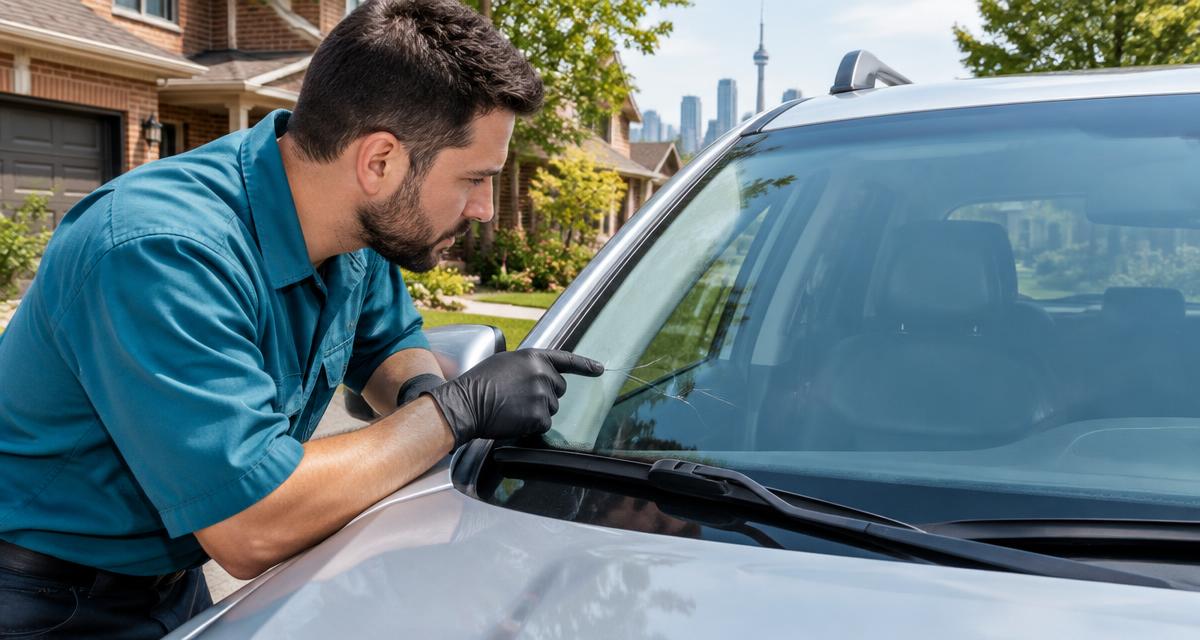
A denied windshield claim is frustrating, especially when you expected a straightforward repair. The next step is to understand the reason, not assume the decision is correct or that it can definitely be overturned. Ask your insurer for the decision in writing, including the policy provision or endorsement it relied on. Then compare that explanation with your documents and the facts of the damage.
Windshield Toronto Replacement can provide photos, an assessment, and a clear estimate to support the discussion. Our insurance windshield replacement service handles approved claims and paperwork, but the insurer decides coverage. If the loss remains uninsured, we can explain repair suitability and provide a private-pay option.
Your policy may not include the coverage needed
Stone damage is usually considered under comprehensive coverage, which is optional in Ontario. Basic mandatory coverage generally does not pay for this kind of damage to your own vehicle. Having collision coverage does not necessarily solve that gap, because collision and comprehensive protect against different events. Broader all perils coverage may apply, depending on the contract.
Check the policy that was in force on the date of the loss, not just your latest renewal. Ask your broker to explain the coverage summary if the terminology is unclear. Our guide to whether insurance covers windshield replacement can help you identify the relevant questions, but your actual documents control.
A glass endorsement may restrict the loss
Some drivers choose a glass restriction to reduce insurance costs. An endorsement may exclude particular windshield losses, including damage from flying stones or debris, even when comprehensive coverage otherwise appears on the policy. That does not necessarily mean every type of glass loss is excluded. Ask which wording applies to the cause you reported.
If the insurer has misunderstood what happened, correct the facts with evidence. For example, damage from a falling object should not be described as a road-stone strike unless that is what occurred. Provide an accurate account rather than changing the story to fit a coverage category.
The timing or history may be unclear
Damage that existed before a policy began is generally not a new covered loss under that policy. Delayed reporting can also create questions about when the damage happened and whether the insurer had a fair opportunity to assess it. A delay does not automatically mean every claim must be denied, but prompt reporting makes the facts easier to document.
- Save dated photographs and messages about the original damage.
- Write down when you first noticed the chip and when it spread.
- Keep prior repair invoices and any relevant inspection records.
- Be clear when a date is approximate instead of presenting a guess as certain.
A deductible can mean no payment without a denial
Sometimes the policy covers the event, but the approved cost is below the deductible. That is different from excluding the loss. Ask whether the insurer rejected coverage or simply calculated that no payment is due. This distinction helps when comparing a private-pay quote and deciding whether further discussion about the estimate is useful.
Likewise, approval of aftermarket glass rather than your requested OEM glass is not necessarily a denial of the entire claim. Both glass types can be safe when correctly matched and installed. Ask for the approved specification, the policy's OEM terms, and any customer-paid difference before choosing.
How to request a review
- Request the written decision and the specific policy wording supporting it.
- Check vehicle details, loss dates, coverage dates, and the reported cause for errors.
- Send relevant photos, estimates, and records with a concise explanation of what needs reviewing.
- Ask the adjuster or broker about the insurer's internal complaint and review process.
- If unresolved, request information about applicable external complaint options and deadlines.
Keep copies of correspondence and note who you spoke with. A review can correct a misunderstanding, but it cannot create coverage that the contract excludes. For a significant unresolved dispute, consider independent advice. We can clarify the technical repair estimate without claiming to act as your legal representative or promising a reversal.
Keep safety separate from the coverage dispute
Do not keep driving with an obstructed view while waiting for a decision. Ask the insurer whether it needs to inspect the damage before repairs and how to preserve evidence if urgent work is necessary. Our windshield crack repair page explains why some cracks need replacement rather than repair.
If private payment is the practical next step, request an itemized quote including any required calibration. We can arrange suitable mobile service in Toronto and explain the total before proceeding. Start a conversation about your claim or call [PHONE] to discuss the denial and your repair options.