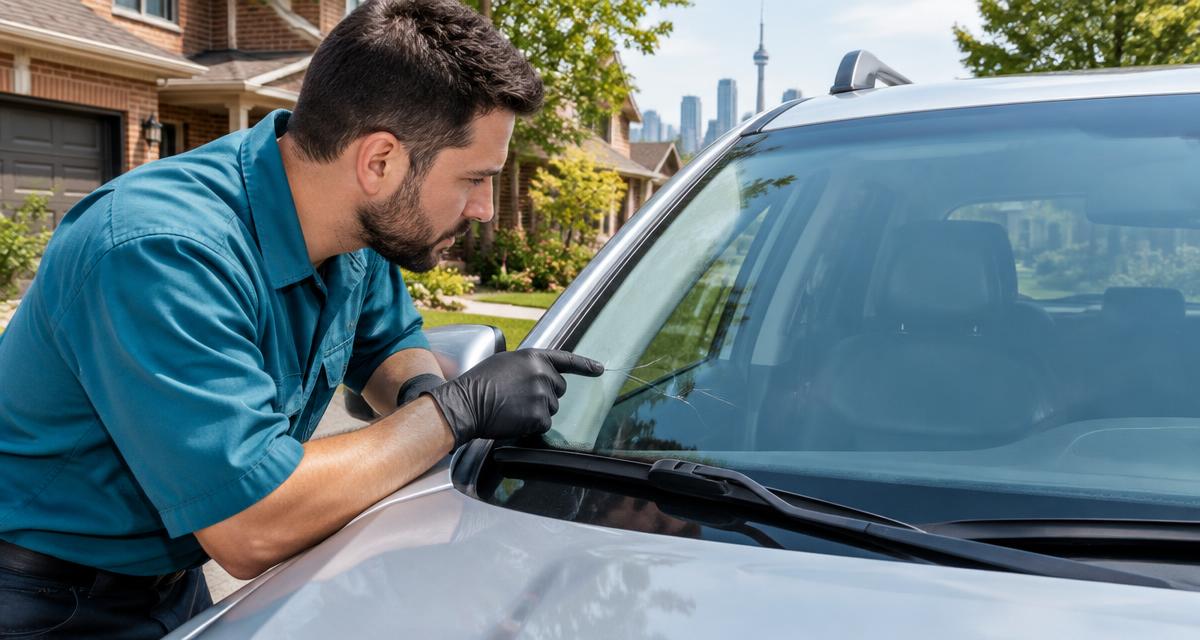
When ADAS camera calibration is required after a covered windshield replacement, it is normally included as part of the insurance claim. That does not mean every camera-related service is automatically approved. Your policy, the cause of the glass damage, the vehicle manufacturer's procedure, and the insurer's authorization all matter. Confirm coverage and the proposed work before the replacement begins.
Windshield Toronto Replacement identifies the vehicle's glass and camera requirements, documents required calibration, and handles the approved claim, billing, and paperwork. Our insurance windshield replacement service is designed to keep you from coordinating separate conversations about glass, sensors, and payment.
What is ADAS calibration?
ADAS stands for advanced driver-assistance systems. Depending on the vehicle, a camera mounted behind the windshield may support lane-departure warnings, lane-keeping assistance, forward-collision warnings, or other functions. These systems rely on the camera's view and alignment. The windshield is therefore more than a protective sheet of glass in front of the camera.
Replacing the windshield can alter the camera's position or viewing relationship to the road. Calibration follows the vehicle manufacturer's procedure to establish the required reference points. It is not simply clearing a warning light or reconnecting a cable. Our ADAS calibration page explains why the correct procedure matters after glass work.
Which insurance coverage pays?
Calibration normally follows the coverage applying to the windshield loss. If a stone strike is covered under comprehensive insurance and the manufacturer requires calibration after replacement, the necessary calibration is generally submitted with that replacement. If the glass broke in a collision, it may belong to the collision-related claim instead. The insurer determines which coverage responds.
Basic mandatory insurance alone generally does not cover road-debris damage to your own windshield. A glass exclusion or another policy restriction can also affect the claim. Read our windshield insurance coverage guide and ask your insurer to confirm the replacement and required calibration together.
Is there a separate deductible for calibration?
Required calibration is typically considered part of the same covered loss, rather than a second incident. However, your insurer must confirm the applicable deductible and approved charges. An unrelated camera fault, previous damage, or an optional service may be assessed differently. Ask for a written explanation of any amount that is not included in the claim.
We explain the approved scope and your expected payment before starting. We do not waive, pay, or rebate your deductible. If you request an upgrade beyond what the policy covers, any additional cost should be discussed separately and approved by you.
Does having a camera mean insurance must pay for OEM glass?
Not automatically. Some policies include OEM glass coverage, while others authorize an appropriate aftermarket windshield. OEM eligibility can depend on endorsements, vehicle details, and the documented repair requirements. Quality aftermarket glass can be safe when correctly specified and installed; the label alone does not establish whether a particular windshield suits a particular camera system.
We check the VIN and equipment so the replacement matches features such as camera mounts, heating, acoustic treatment, and heads-up display compatibility. Where manufacturer requirements affect glass selection, we explain that to the insurer. Confirm OEM eligibility before ordering rather than expecting an automatic upgrade because the vehicle has driver-assistance features.
Can calibration be completed at your home or workplace?
That depends on the required procedure. Static calibration uses targets and controlled positioning conditions. Dynamic calibration involves a prescribed driving procedure under suitable conditions. Some vehicles require both. Space, lighting, surface level, road markings, traffic, and weather can affect whether the required work can be completed at a proposed location.
We come to your Toronto home or workplace for suitable glass work, but some calibrations require a controlled facility or additional arrangements. Our mobile windshield replacement page explains why mobile installation does not mean every calibration can happen in a driveway. We plan the location before the appointment.
What should the claim and appointment include?
- Identification of the correct windshield using the VIN and fitted equipment.
- Review of the applicable manufacturer instructions for camera handling and calibration.
- An estimate showing the replacement and required calibration for insurer authorization.
- An appointment plan covering the work location, adhesive cure requirements, and calibration conditions.
- Documentation of the completed work and any remaining faults or restrictions.
An existing warning light should be mentioned when booking, even if you think it is unrelated. Previous collision repairs, steering or suspension concerns, and other vehicle conditions may affect the process. Tell us what you know so that a pre-existing issue is not mistaken for something created by the new windshield.
What if calibration cannot be completed successfully?
A failed or incomplete procedure needs investigation, not an assumption that the driver-assistance system is ready. The technician may need to check the glass specification, camera mounting, vehicle conditions, or procedural requirements. Additional work may need separate insurer authorization. We explain the findings and next steps rather than describing an incomplete calibration as finished.
Allow time for the full job, not just removal and installation of the glass. Adhesive cure time and calibration are separate requirements, and neither should be skipped to shorten an appointment. Before handover, ask what was completed, whether anything remains outstanding, and when the vehicle can be driven.
Need a windshield replacement on a camera-equipped vehicle? Start your claim or call [PHONE]. We will confirm the glass, required calibration, and insurer authorization, then handle the approved billing and paperwork.